




How to Select and Style a Wall-Mounted Vanity for Maximum Impact
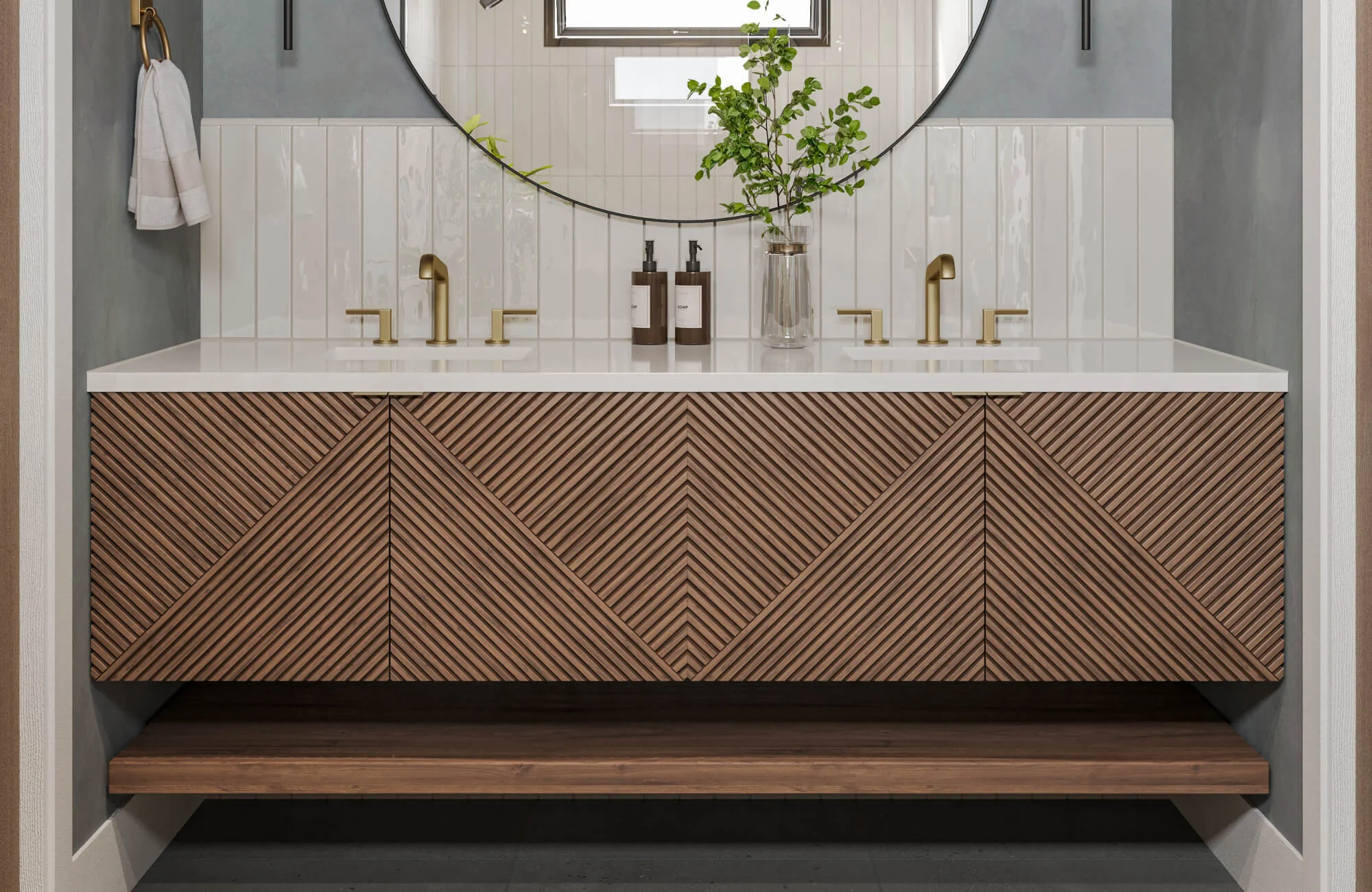

Bathroom design is all about choices that balance function and style, but few elements pull a modern look together like a wall-mounted vanity. These floating fixtures aren’t just for boutique hotels; they can revolutionize space and ambiance in any home. So, what should you know before making this eye-catching upgrade?
Why Choose a Wall-Mounted Vanity?
The first thing people notice about a wall-mounted vanity is how it seems to hover above the floor. This isn’t just a design trick; it has real benefits for both space and style.
Space-Saving Benefits vs. Traditional Vanities
Wall-mounted vanities are the darlings of compact bathrooms for a reason. By freeing floor space, they create the illusion of a larger room and leave more visible area to breathe. Unlike traditional floor-based vanities, these floating units also make cleaning easier, eliminating hard-to-reach corners where dust and water can accumulate.
Modern Aesthetic Appeal Compared to Freestanding Options
There’s a streamlined beauty to floating vanities. They minimize visual clutter, keep lines clean, and effortlessly signal a contemporary vibe. Even in larger bathrooms, this sleekness brings a feeling of calm and order that bulky, freestanding pieces often can’t match.
Installation Considerations and Wall Support Requirements
Before falling in love with a design, there’s one crucial technical detail: mounting strength. Wall-mounted vanities require solid anchoring, ideally into wall studs or with heavy-duty hardware. This becomes even more essential for double-sink or larger models, as the added weight of sinks, water, and daily use can stress weak supports. Consulting a professional for installation is often worth the investment for peace of mind.
Materials and Finishes: Durability Meets Style
Vanity style is nothing without substance. The finish and material you choose will determine not just how your vanity looks on day one, but how it stands up over time.
Wood vs. Engineered Materials: Pros and Cons
Solid wood is timeless, offering warmth and character, but it’s prone to swelling in humid bathrooms unless properly sealed. Engineered materials like MDF and plywood, often used in modern vanities, resist warping and can be more budget-friendly. Some even mimic natural wood so convincingly that only an expert could spot the difference.
| Material Type | Pros | Cons |
|—————–|————————————|————————————-|
| Solid Wood | Durable, unique grain, repairable | Expensive, can warp, needs sealing |
| MDF/Plywood | Stable, cost-effective, versatile | Harder to repair, may chip |
| Laminates | Moisture-resistant, many finishes | Less luxurious feel, can’t refinish |
Matte, Glossy, and Textured Finishes Compared
Matte finishes give a subtle, sophisticated look but can show fingerprints more easily. Glossy options reflect light and feel modern, making small bathrooms seem brighter, though they may highlight smudges and scratches. Textured finishes add tactile interest and can disguise minor marks, perfect for busy family spaces.
Impact of Color Choices on Bathroom Ambiance
Color matters as much as material. White and pale oak vanities radiate cleanliness and serenity. Dark browns and grays ground a space, adding drama and warmth. Trend-forward options like green or charcoal gray create a custom, boutique effect. Your vanity color sets the mood, so consider how it will reflect both your lighting and your personal style.
Size and Configuration: Finding the Perfect Fit
Size is about more than just squeezing a vanity into an available wall. It’s about maximizing use and comfort without overwhelming the room.
Single vs. Double Sinks: Space Utilization and Functionality
Single-sink vanities offer simplicity and maximize counter space for smaller bathrooms. Double sinks are a must-have for busy households or main bathrooms, making morning routines smoother. Just ensure your space can handle the wider footprint and extra plumbing.
Vanity Depth and Height: Balancing Comfort and Design
Standard depths run from about 16 to 22 inches. Shallower profiles save space but reduce countertop area, while deeper options feel more luxurious. Heights typically range from 32 to 36 inches, choose what feels comfortable for daily use, especially for children or taller adults.
Storage Capacity: Open Shelves versus Drawers
Drawers keep clutter hidden and are easier to access than deep cabinets. Open shelves bring a spa-like feel but require more organization to look neat. Consider your storage needs: Are you hiding extra towels, toiletries, or just the basics?
Faucet and Sink Style Compatibility
A vanity’s look can unravel without the right sink and faucet choices. These elements are the jewelry of your bathroom, so pairing them thoughtfully is key.
Integrated Sinks vs. Vessel Sinks: Visual and Practical Differences
Integrated sinks blend seamlessly into the countertop for a sleek, easy-to-clean surface. Vessel sinks sit on top, creating a sculptural effect ideal for statement bathrooms. However, vessels reduce usable counter space and can be splashier.
Faucet Mounting Options: Wall-Mounted vs. Deck-Mounted
Wall-mounted faucets keep counters clean and minimalist, but they require precise plumbing alignment. Deck-mounted faucets are more straightforward to install and maintain but can clutter up smaller vanities.
Coordinating Fixtures with Vanity Design
Match metals and shapes for a unified feel: square vanities suit angular faucets and hardware, while rounded sinks call for softer details. Harmonizing finishes (chrome, matte black, gold) pulls the entire look together.
Mounting Techniques and Installation Options
A wall-mounted vanity’s success depends on what’s behind the scenes.
Wall Anchoring Methods: Strength and Safety Considerations
Mounting directly into studs is best. Use heavy-duty brackets or French cleats for added support. For particularly heavy models or stone countertops, extra reinforcement may be required.
Plumbing Access and Concealment Strategies
Plan for easy access to plumbing shutoffs, and use matching panels or discreet cutouts to keep pipes invisible. Pre-drilled back panels can speed up installation and maintenance.
DIY Installation vs. Professional Services
Handy homeowners can tackle simpler installations, especially with lightweight vanities. But when in doubt, or when dealing with plumbing reroutes and heavy materials, professional installation guarantees both safety and longevity.
Styling Tips for Maximum Impact
Elevating your bathroom isn’t just about the vanity itself, it’s how you stage the entire setting.
Pairing Vanities with Mirrors and Lighting
A statement mirror above a floating vanity amplifies light and makes the room feel taller. Consider backlit mirrors or layered lighting for added drama and practicality. Sconces mounted at eye level on either side of the mirror minimize shadows and add luxury.
Accessorizing: Hardware, Decor, and Practical Additions
Swap factory hardware for custom pulls or knobs in brass, black, or chrome to instantly elevate the look. Place a small plant or stack of plush towels nearby for warmth. Use trays to corral daily essentials, keeping the countertop tidy without sacrificing style.
Creating Visual Balance with Surrounding Bathroom Elements
Your vanity sets the tone, but the surrounding tiles, wall colors, and fixtures create harmony. If your vanity is bold in color or finish, keep the backdrop neutral. For a minimalist vanity, experiment with textured walls or patterned tile to add interest without clutter.
Maintenance and Longevity
A well-chosen vanity should look great for years, but only if it’s cared for.
Cleaning and Care for Different Materials
Use gentle cleaners on wood and engineered materials to avoid stripping finishes. For glossy and matte surfaces alike, a microfiber cloth keeps fingerprints at bay, while periodic attention to joints and hardware prevents premature wear.
Preventing Water Damage and Wear
Immediately wipe up splashes, especially along seams and under sinks. Regularly check for drips or leaks, and use water-resistant caulking where the vanity meets the wall to protect against hidden damage.
When and How to Upgrade or Replace Your Vanity
Tell-tale signs it’s time for a swap? Persistent water damage, warped panels, or chronic hardware failure. When replacing, consider whether you want a whole new style, or just a facelift with new doors, hardware, or even a fresh coat of paint.
Comparing Popular Styles and Brands
With so many options, where do you start?
Contemporary Minimalist vs. Rustic or Industrial Looks
Minimalist vanities feature hidden hardware, flat fronts, and soft-close drawers, while rustic styles showcase natural wood grain and exposed joinery. Industrial looks leverage darker finishes, metal frames, and visible fasteners.
Price Range and Value: What to Expect in Different Tiers
Options span from just a few hundred to well over two thousand dollars, depending on size, materials, and brand reputation. Entry-level models typically feature MDF and simple finishes; mid-tier choices offer premium engineered materials and more finish options; luxury lines bring real wood, integrated lighting, and designer hardware.
| Price Tier | Typical Materials | Features |
|——————–|—————————|—————————–|
| Budget ($250-$700) | MDF, laminate | Basic sizes, simple storage |
| Mid-range ($700-$1,500) | Engineered wood, higher-end finishes | Soft-close, varied colors |
| Premium ($1,500+) | Solid wood, stone tops | Custom sizes, luxe hardware |
Customer Reviews and Real-World Performance Insights
Customer testimonials consistently mention easy cleaning and storage flexibility as standout benefits. Many highlight the transformative effect on both small powder rooms and master baths. For those seeking trusted options, reviews of Evos Boutiques vanities for the bathroom praise not only the range of finishes and sizes, but also attentive customer service and quick delivery.
A wall-mounted vanity isn’t just another bathroom upgrade, it’s a style statement with real benefits for space, maintenance, and everyday luxury. Whether you opt for minimalist white, striking wood grain, or a bold modern hue, the right selection will ground your design and provide convenience for years to come. Carefully consider your space, needs, and aesthetic, then finish with details that make the whole room shine.


