The Hidden Water Damage Homeowners Often Miss After a Leak

A leaking pipe, overflowing appliance, or unexpected storm can leave homeowners facing a stressful cleanup. Once the standing water disappears and the visible surfaces look dry, it is tempting to assume the problem has been resolved.
Unfortunately, water damage is not always easy to recognize. Moisture can travel beneath flooring, soak into drywall, and collect in areas that are difficult to inspect. Even a relatively small leak can affect materials beyond the immediately visible area.
Understanding where moisture hides, how to recognize potential problems, and when additional assessment is necessary can help homeowners avoid incomplete cleanup and prevent further deterioration.
Why Water Damage Can Extend Beyond the Visible Area
Water does not always remain where a leak begins. Depending on the building materials and the direction of water movement, moisture may spread into surrounding spaces before anyone notices the problem.
For example, water from a leaking dishwasher might appear confined to the kitchen floor. However, moisture can reach the subfloor, nearby cabinetry, or the wall behind the appliance.
Similarly, a roof leak may leave a small stain on the ceiling while dampening insulation or other materials above it.
Porous materials are particularly vulnerable because they can absorb and retain moisture. Drywall, wood, carpeting, and insulation may remain damp even after their exposed surfaces begin to dry.
This is why cleaning up visible water should be treated as the beginning of the recovery process rather than proof that the affected area is completely dry.
Warning Signs of Hidden Moisture Inside Your Home
Not every moisture problem produces an obvious puddle. Homeowners should watch for subtle changes that may indicate water has reached concealed areas.
Unusual odors: A persistent musty smell can indicate damp materials or conditions that support microbial growth, even when no water is visible.
Discoloration: Yellow, brown, or darker patches on walls and ceilings may signal previous or ongoing moisture intrusion.
Changes in flooring: Warped floorboards, lifting edges, buckling, or unusual softness can suggest that moisture has affected the flooring or underlying materials.
Peeling finishes: Bubbling paint, peeling wallpaper, and deteriorating wall finishes may occur when moisture affects the surface beneath them.
Recurring dampness: An area that repeatedly feels damp after being cleaned or dried may have an unresolved moisture source.
These signs do not automatically establish the extent of the damage. However, they provide useful reasons to investigate further rather than simply covering the affected area with paint or replacing a visibly damaged finish.
Why Surface Drying Is Not Always Enough
Opening windows, wiping surfaces, and using household fans may help with minor incidents involving clean water. However, these measures cannot reliably confirm that moisture trapped inside walls, beneath floors, or within insulation has been removed.
Effective recovery begins with identifying and stopping the water source. The next steps depend on the amount of water, the affected materials, the contamination risk, and how far moisture has traveled.
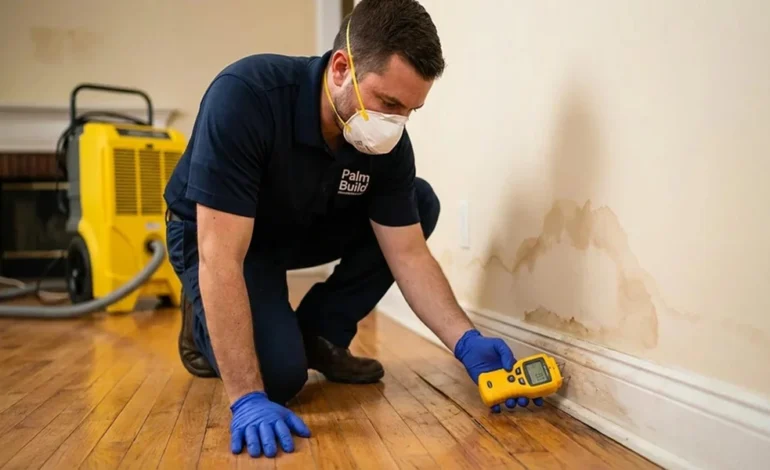
Professional assessment may involve moisture meters, thermal imaging, water extraction equipment, air movers, and dehumidifiers. Each serves a different purpose, from locating potentially affected areas to removing water and monitoring the drying process.
For homeowners searching for water damage restoration Long Island, understanding these steps can help distinguish basic surface cleanup from a more complete structural drying and recovery process.
It is also important to recognize that not every damaged material can be saved. Some materials may need removal and replacement when they cannot be dried adequately or have been exposed to contaminated water.
The goal is not simply to make an area look normal again. It is to address the underlying moisture problem before cosmetic repairs begin.
Common Mistakes That Can Make Water Damage Worse
One frequent mistake is delaying action because the affected area appears small. Moisture can remain inside absorbent materials even when the visible water is limited.
Another mistake is replacing flooring or repainting walls before confirming that the underlying materials are sufficiently dry. Covering moisture can conceal an unresolved problem and complicate future repairs.
Homeowners should also avoid assuming that all water is safe to handle. Water from sewage backups, outdoor flooding, or unknown sources may contain contaminants and requires different precautions from a small, clean-water plumbing leak.
Electrical safety is equally important. Never enter standing water where electrical equipment, outlets, or wiring may be affected. If electrical hazards are possible, keep clear and seek qualified assistance.
Finally, household fans should not be considered a complete solution for every situation. Drying methods must be appropriate for the type of water damage, and contaminated areas may require specialized procedures.
Practical Steps to Take After Discovering a Leak
Once water damage is discovered, a few careful decisions can help limit further problems.
- Prioritize safety. Keep people away from potential electrical hazards, contaminated water, and unstable or damaged materials.
- Stop the water source when safe. Shut off the appropriate water supply for a plumbing leak, or arrange for the underlying problem to be repaired.
- Document the damage. Take photographs of affected rooms, visible stains, damaged belongings, and the suspected source before moving or discarding items when it is safe to do so.
- Protect unaffected belongings. Move dry, portable items away from the affected area without entering hazardous conditions.
- Assess the need for professional help. Extensive saturation, hidden moisture, contaminated water, and damage involving multiple building materials may require specialist evaluation.
- Monitor the area after cleanup. Watch for persistent odors, new staining, flooring changes, or signs that the original moisture source has not been corrected.
Acting promptly matters. The U.S. Environmental Protection Agency recommends drying water-damaged areas and items within 24 to 48 hours to help prevent mold growth. This is a prevention guideline, not a guarantee that every affected material can be safely restored within that period.
Conclusion
Water damage is not always limited to what homeowners can see. Moisture may travel into building materials, remain trapped beneath finished surfaces, and create problems long after standing water has been removed.
Recognizing warning signs, addressing the original water source, and understanding the limitations of surface drying can support better decisions after a leak.
The most effective recovery approach focuses on both visible damage and potentially affected hidden areas. By responding safely and ensuring that moisture problems are properly addressed, homeowners can reduce the likelihood of overlooked damage and unnecessary future repairs.