





The Essential Checklist for Effective Attic Insulation and Restoration
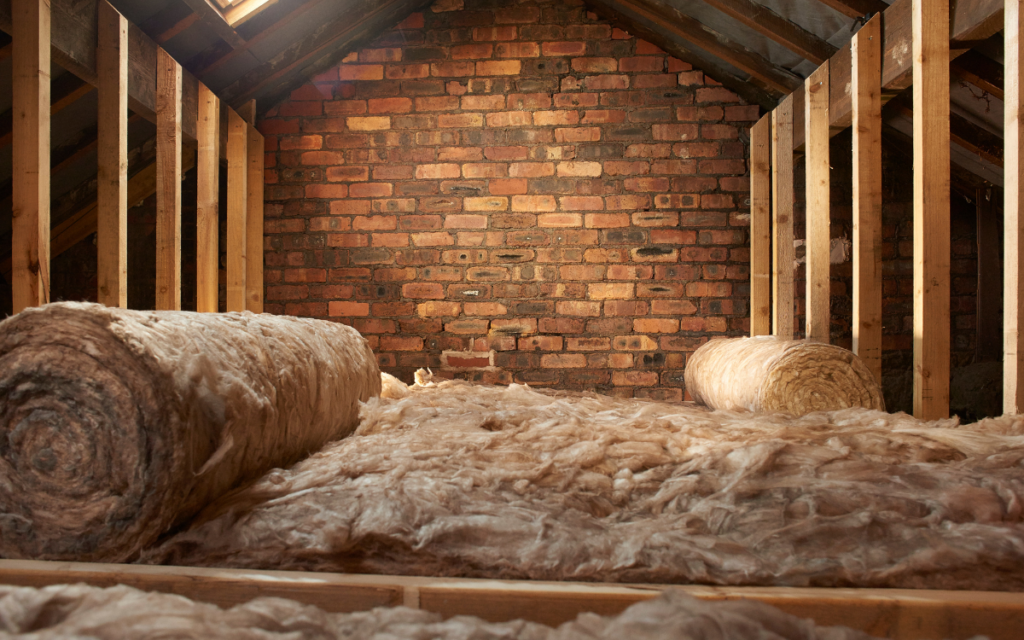

A neglected attic can quietly sabotage your home’s comfort, safety, and energy bills. The right approach to attic insulation and restoration not only slashes heating costs through harsh winters but also keeps your indoor air healthier year-round. If you’re wondering where to start, this checklist covers every critical step.
Why Is Attic Insulation and Restoration Crucial for Your Home?
Energy escapes quickly through an under-insulated attic. Drafts, uneven temperatures, and skyrocketing utility bills often trace back to poor attic insulation. Effective insulation acts as your home’s thermal shield, preserving heat in winter and blocking it in summer. The result? Consistent comfort, fewer temperature swings, and real savings.
But it’s not just about comfort. Attics are magnets for moisture, mold, and wildlife. Over time, these hidden threats jeopardize both structural integrity and your family’s health.
How Insulation Affects Energy Efficiency and Comfort
Insufficient attic insulation lets heat seep out in winter and leak in during summer. This constant exchange pushes your furnace and air conditioner into overdrive. Proper insulation, measured in R-values, creates a buffer that slows down this transfer. Homeowners in Montreal and Ottawa, facing unpredictable weather, stand to gain the most.
Health Risks from Mold, Wildlife, and Contaminants in Attics
Mold spores thrive in damp, poorly ventilated spaces. Wildlife infestations bring droppings, parasites, and bacteria. Both can trigger allergies, respiratory issues, and long-term health complications. Regular attic checkups are crucial to detect and address these dangers early.
How Can You Identify Problems Needing Attic Restoration?
Some warning signs are obvious: strange noises overhead, visible mold patches, or water stains on the ceiling. But other issues lurk out of sight.
Signs of Wildlife Intrusion and Damage
Listen for scratching, chirping, or scampering, classic signals of unwanted guests. Look for chewed insulation, gnawed wires, or small openings near vents and eaves.
Detecting Mold and Other Contaminants
Musty odors, dark streaks on wood, and discolored insulation indicate mold or mildew. If you see these, it’s time for a professional assessment.
When to Consider Insulation Replacement
If your insulation is matted, damp, or over a decade old, it may be past its prime. After any flood, fire, or wildlife incident, a full replacement is often the safest route.
What Steps Are Involved in Professional Attic Decontamination?
A thorough attic restoration process starts with safety. Technicians wear protective gear and set up barriers to prevent contamination spread.
Removing Pathogens and Mold Safely
Specialized vacuums and antimicrobial agents clear the air and surfaces. All contaminated materials, insulation, wood, and debris, must be carefully removed.
Wildlife Removal and Prevention Measures
Humane traps and removal methods are used for animals or pests. To keep them out, technicians seal entry points and recommend additional deterrents.
Cleaning and Preparing the Space for Restoration
After decontamination, the attic is aired out and checked again for hazards. This step ensures a clean slate before any new materials are installed.
How Is Effective Attic Insulation Installed or Replaced?
Insulation isn’t one-size-fits-all. The right material and technique depend on your attic’s unique needs.
Choosing the Right Type of Insulation
Options include fiberglass batts, cellulose, spray foam, and blown-in insulation. Each type has advantages, from fire resistance to eco-friendliness. Climate, budget, and attic size all play a role in the decision.
Proper Installation Techniques to Maximize Efficiency
Coverage is critical, gaps or compressed spots defeat the purpose. Even distribution, correct thickness, and attention to corners make all the difference.
Common Mistakes to Avoid During Installation
Overlooking ventilation, underestimating moisture control, or leaving old, contaminated insulation behind can set you back. Quality installation means no shortcuts.
What Should a Comprehensive Attic Restoration Include?
Restoration goes beyond insulation. Every component, from wood supports to ventilation systems, must be considered.
Structural Repairs After Damage or Wildlife Incidents
Joists, rafters, and roof decking may need repairs if they’ve been chewed or weakened. Prompt attention prevents future headaches.
Ensuring Proper Ventilation and Moisture Control
Balanced airflow is key. Vents should be clear, and vapor barriers correctly installed to keep moisture (and mold) at bay.
Final Inspection and Safety Checks
A professional walk-through checks for missed spots, measures insulation depth, and tests ventilation. Only when everything passes should you consider the job done.
How to Maintain Your Attic Post-Restoration to Prevent Future Issues
The attic isn’t a “set and forget” zone. A little ongoing care keeps problems from returning.
Routine Inspection Tips
Check at least twice a year for leaks, pests, and insulation condition. Early detection curbs expensive repairs.
Seasonal Maintenance for Longevity
After heavy snowfall or storms, confirm that no moisture or wildlife has breached your attic’s defenses. Replace weatherstripping around hatches yearly.
When to Call Professionals for Follow-up Services
Strange smells, unexplained drafts, or any evidence of critters mean it’s time to bring in the experts for a deeper inspection.
Where Can Homeowners in Montreal and Ottawa Find Expert Attic Insulation and Restoration Services?
Experienced help is close at hand for residents of Montreal and Ottawa. Look for companies with proven track records in both insulation and restoration, not just one or the other. A good provider will perform a detailed assessment, offer clear quotes, and guide you through every step.
For professional help tailored to local climate and building codes, experts such as Insulation Services Montreal provide comprehensive solutions, from decontamination to installation and follow-up care.
Before hiring, ask about certifications, inquire about warranty terms, and request referrals from recent clients. A trustworthy partner invests in ongoing education and uses the latest technology to keep your attic safe, efficient, and comfortable for years to come.


