




How to Spot Termite Swarms During Clermont’s Spring Evenings
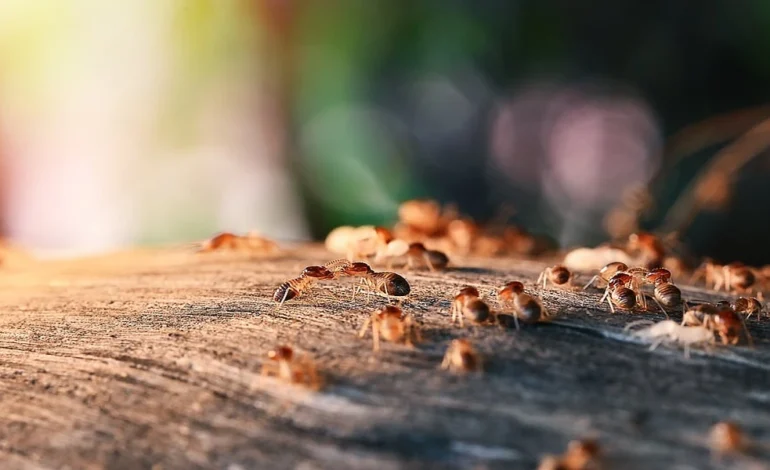

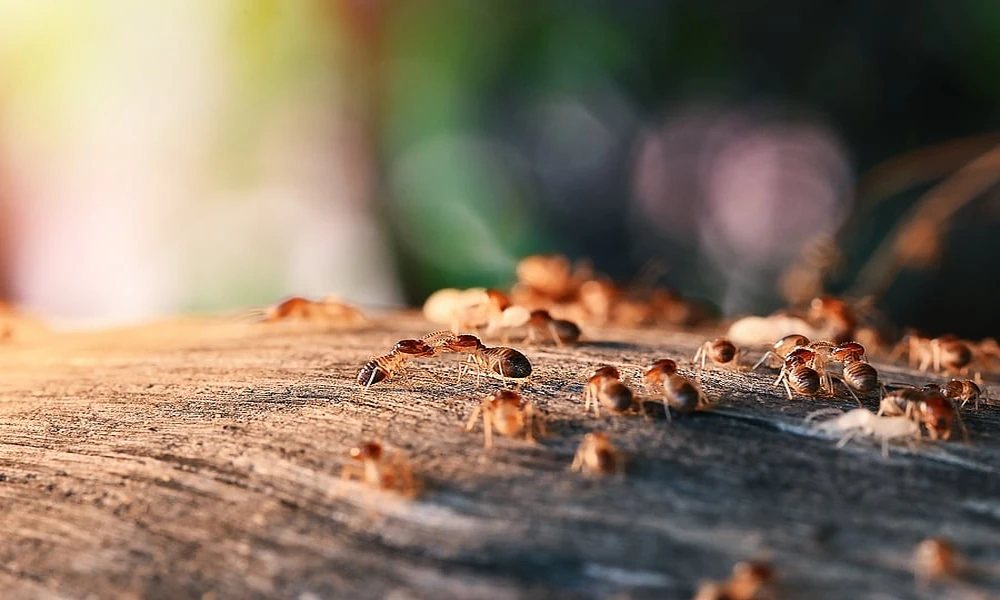
Spring is a major termite swarming period in Florida, and Clermont homeowners may notice winged termites around porch lights, windows, and lit doorways during this part of the year. Many homeowners see them for the first time after dark and are not sure what they are looking at. Homeowners who turn to saelapestflorida.com during swarm season can learn the signs, and spotting them early makes it easier to act. A swarm near the house is a clear reason to look closer.
A termite swarm is a normal part of a colony’s life. Mature colonies produce winged reproductives, called swarmers, that leave to start new colonies. UF/IFAS places most Florida subterranean termite swarming between January and May. That makes spring an important period for Clermont homeowners to watch for winged termites.
Why Many Swarms Happen in the Evening
Different termite species swarm at different times. Formosan subterranean termites are a useful example for Clermont homeowners because UF/IFAS reports that they swarm shortly after sunset in Florida, usually from early April through late June, with peak activity in May. Light sources around homes can draw these winged termites into the area during a swarm.
That helps explain why a homeowner may first notice winged termites around a porch light, lit window, or doorway after dark. Swarmers are weak fliers and usually settle after a short flight, where they shed their wings.
Telling Termite Swarmers From Flying Ants
Flying ants swarm in the same seasons, so the two are easy to confuse. UF/IFAS points to three differences that tell them apart:
- Termite antennae are straight. Ant antennae have a clear bend, like an elbow.
- A termite has a broad, straight body. An ant has a pinched, narrow waist.
- A termite’s four wings are equal in length and much longer than its body. An ant’s front wings are longer than its back wings.
Discarded wings can also indicate that a swarm has occurred. If the insects are still intact, their straight antennae, broad waist, and equal-length wings provide better clues for distinguishing termites from ants.
What to Do When You See a Swarm
Note where and when the swarm appears. Catch a few insects with tape or in a bag so they can be identified later. Check window sills and the floor near doors for shed wings. Swarmers found indoors deserve closer attention because the insects may have entered through the building or emerged from an infestation inside. Finding swarmers is reason enough to have the house inspected, especially when they appear indoors or repeatedly around the same part of the property.
