
Sustainable Turf and Planning a Partial Lawn Conversion
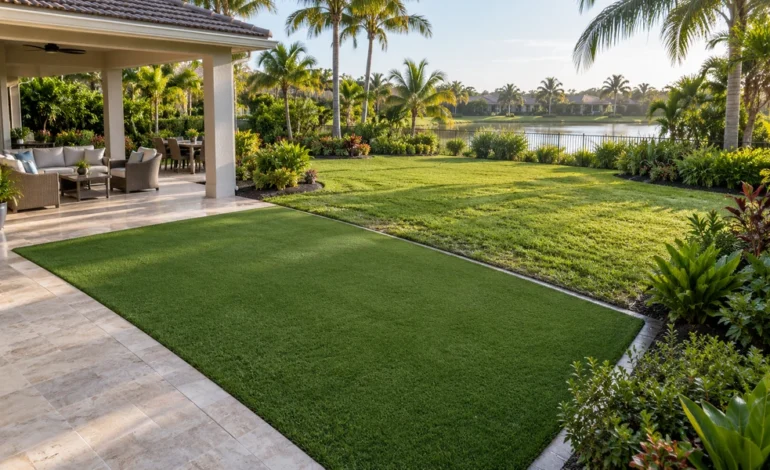

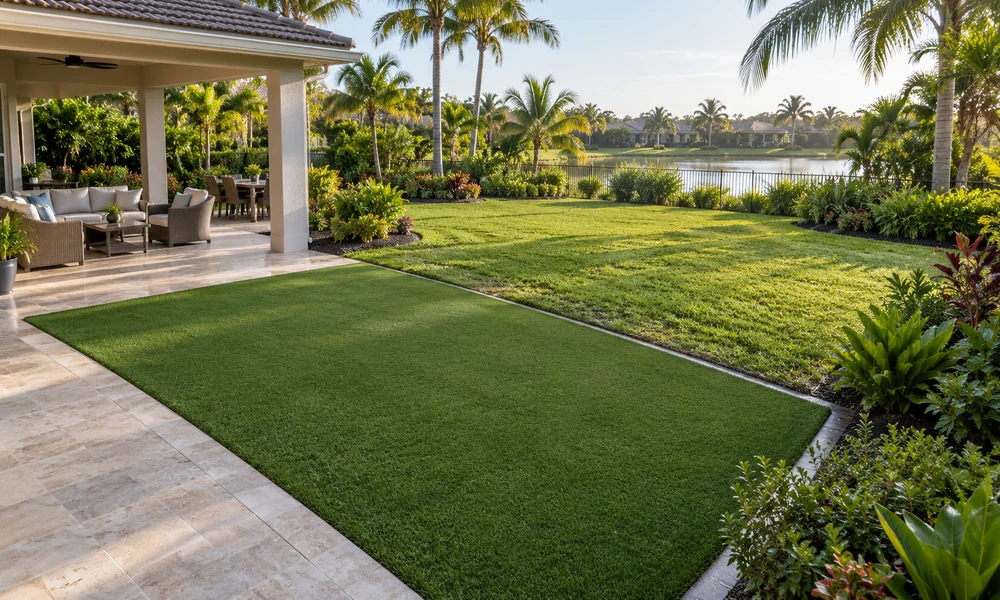
A homeowner may want to change one section of a lawn while keeping the rest of the yard intact. The patio still works. The planting beds are staying. Only a defined patch of grass is under consideration.
That creates a different planning conversation from replacing an entire lawn. The question becomes where artificial turf might fit alongside the features the homeowner wants to retain.
Sustainable Turf offers residential artificial-turf installation and customization in the Tampa Bay area. Its residential service page describes options for different yard sizes and homeowner design preferences. Artificial Grass for Home
For owners considering a partial conversion, those services provide a starting point for discussing the proposed area and confirming what work would be appropriate.
Start With What Will Stay
A useful project description identifies the features that should remain unchanged. These might include a paved seating area, garden beds, existing paths, or a section of natural lawn.
A simple sketch can show how those elements relate to the proposed turf area. Photographs taken from several angles can help explain corners, narrow spaces, and transitions that are difficult to describe over the phone.
For an inquiry to Sustainable Turf, this preparation makes the homeowner’s preferences more specific. Instead of requesting a general backyard makeover, the owner can identify the exact section being considered.
Make the Boundaries Clear
Partial conversions bring attention to the edges between different surfaces. Where would the turf meet the patio? Would a planting bed remain the same shape? Is the proposed boundary straight, curved, or still undecided?
These are details to discuss before treating a rough measurement as the final project scope.
Homeowners can ask Sustainable Turf how the proposed layout would be defined and what information is needed to assess it. Existing edging, paths, and nearby features can be included in that discussion without assuming they will all be altered.
A marked photograph can be particularly useful: one outline for the proposed turf area and separate notes for everything intended to stay.
Separate Turf Work From Other Changes
A lawn project sometimes becomes part of a larger outdoor renovation. An owner may also be considering new paving, planting changes, or relocating a garden bed.
Those plans should be identified separately. Homeowners can ask which tasks belong in the proposed turf work and which would require another arrangement.
When discussing residential customization with Sustainable Turf, owners can request a clear description of inclusions and exclusions. This helps distinguish a preferred design from the actual work being proposed.
If other improvements are still undecided, that uncertainty should remain visible in the conversation.
Review the Product and Care Details
Once the intended area is clear, homeowners can ask about the specific turf product being considered. Samples, product information, and written care instructions can support a more informed decision.
Care questions should also account for the landscaping that remains. Who will maintain the planting beds? How will routine access to those areas work? What instructions apply at the turf boundaries?
These questions concern the owner’s actual yard rather than a generic description of artificial grass.
Sustainable Turf’s residential offering gives homeowners a service to explore. A defined boundary, a list of retained features, and clear scope questions give that discussion a practical foundation.