How Irrigation and Heat Influence Pest Control in Menifee

Menifee has changed quickly as new housing has replaced much of the area’s former ranch and agricultural land. Those newer neighborhoods also brought extensive sprinkler and drip irrigation to a naturally dry landscape. With relatively little rainfall and long, hot summers, the difference between an irrigated yard and the surrounding dry ground can be substantial.
Homeowners trying to understand why ants or spiders keep showing up near a sprinkler line can find more information at akelapest.com. In Menifee, irrigation can create small pockets of moisture in yards that otherwise dry out quickly. During the hottest part of the year, those areas can influence where insects and other pests are found around a property.
How Irrigation Can Affect Pest Activity
A sprinkler head that runs every morning creates a small, reliable patch of moisture in an otherwise dry yard. Ants may use the softer soil around regularly watered areas, particularly where food or shelter is available. Irrigation runoff that collects near a foundation can keep the soil damp, which is one condition worth checking when subterranean termite activity is suspected. Standing water left by overwatering can also give mosquitoes places to breed.
How Heat Affects Pest Activity Around the Home
During Menifee’s hottest periods, pests may spend more time around the moisture and cover available in irrigated landscaping. When those watered areas sit close to the house, pests have more opportunity to remain around the structure. Outdoor faucets and irrigation valve boxes can attract insects, which may make nearby areas more active with spiders. Dense landscaping can also give rodents cover near the house, particularly where shrubs or groundcover extend toward garages, walls, or other possible entry points.
Areas Around the Property to Check
- Turf and shrub beds near foundations. Newer Menifee developments often place landscaping close to the house, leaving irrigated soil and plantings next to the structure.
- Valve boxes and drip line junctions. Their moisture can make them worth checking when ants, roaches, or other pests keep appearing in the same part of the yard.
- HOA-maintained common areas. Shared landscaping may follow a watering schedule that differs from what a homeowner uses on a private yard.
- Former agricultural parcels. Some newer neighborhoods were built on former agricultural or grazing land, so grading and drainage can vary from one property to another. Areas that stay wet longer than the surrounding yard are worth noting.
Adapting Pest Treatment to Menifee’s Conditions
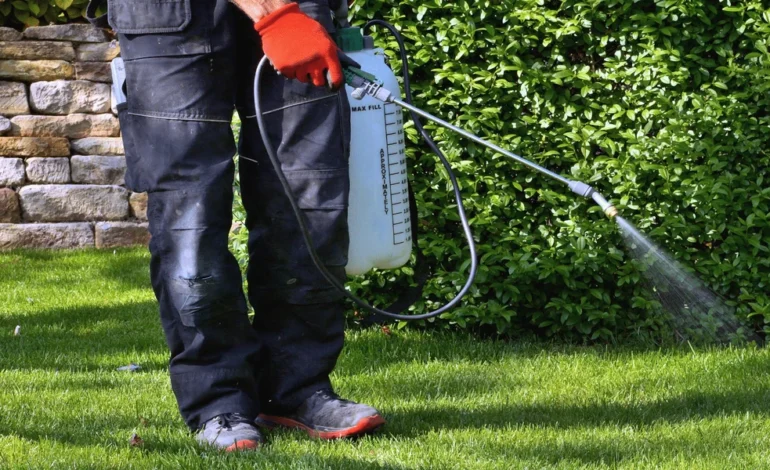
Menifee’s heat, dry soil, and frequent irrigation can affect where treatment is needed around a property, particularly near the foundation. Repeated watering can change soil conditions around treated areas, so drainage, runoff, and watering patterns are worth considering when treatment is planned. Active ant trails near irrigation lines can also help indicate where bait or other treatment should be placed. Those moisture patterns can help a technician decide which parts of the yard deserve closer attention instead of treating the property as though every area has the same conditions.
Steps to Take Between Pest Treatments
Adjusting sprinkler timers to avoid overwatering, checking valve boxes for standing water, and keeping mulch a few inches back from the foundation can help limit conditions that support pest activity. They won’t replace pest treatment when an infestation is already established, but they can make the property less favorable to pests between visits.
If ants, spiders, or rodents keep appearing around the same sprinkler line, valve box, or watered planting bed, check whether those areas are staying wetter than the rest of the yard. That can give you a useful starting point for figuring out why pest activity keeps returning to the same part of the property.