


How to Winterize Your Pool Like a Pro


As temperatures drop and the pool season comes to a close, winterizing your pool is an essential step to ensure it stays in top condition for next season. While winterizing might seem like a complicated task, with the right knowledge and tools, you can easily protect your pool, equipment, and plumbing from the harsh winter months. This comprehensive guide will walk you through every step of winterizing your pool, from cleaning and lowering the water level to protecting your pool equipment and applying the right chemicals.
By following these expert tips, you can winterize your pool like a pro, saving you time and money when spring rolls around. Let’s dive into the essential steps.
Introduction
Why Winterizing is Essential
Winterizing your pool is not just about covering it up for the off-season; it’s about ensuring that the pool is well-protected from freezing temperatures, which could cause significant damage to the pool structure, plumbing, and equipment. Proper winterization helps maintain the longevity of your pool and saves you from costly repairs when you open it up in the spring.
Overview of the Winterization Process
Winterizing your pool involves several key steps:
- Cleaning the pool: Removing debris, vacuuming, and shocking the water.
- Lowering the water level: Adjusting the pool’s water level to prevent damage to pool equipment.
- Protecting pool equipment: Draining and disconnecting equipment to avoid freezing damage.
- Applying a pool cover: Installing a pool cover to keep debris out.
- Winterizing pool chemicals: Balancing water chemistry and adding winterizing chemicals.
Understanding the Winterization Process
What is Winterizing?
Winterizing your pool is the process of preparing your pool, its equipment, and plumbing for the cold months to prevent freezing and other weather-related damages. This ensures that the pool remains in good condition when you reopen it for the next swimming season.
When to Winterize Your Pool
The ideal time to winterize your pool depends on your local climate but typically occurs before the first freeze. In colder climates, it’s usually done in late fall, while in warmer areas with mild winters, you may not need to winterize at all. Key signs it’s time to winterize:
- Consistently cold weather: When the weather begins to dip below 50°F (10°C) regularly.
- Fewer pool uses: If you’re no longer using your pool consistently, it’s time to start the winterization process.
Cleaning and Preparing the Pool
Skimming and Cleaning the Pool
Before you close your pool, it’s essential to clean it thoroughly:
- Skim the Surface: Use a skimmer net to remove leaves, debris, and insects from the surface.
- Brush the Walls and Floor: Brushing helps remove dirt and algae that may have settled. Pay special attention to the pool tiles and corners.
- Clean the Pool Tiles: Use a tile cleaner to remove calcium buildup or other grime from the pool’s edge.
Vacuuming the Pool
Vacuum the pool to remove any debris that may have sunk to the bottom. Whether you’re using a manual vacuum or an automatic cleaner, this step ensures the pool is as clean as possible before closing.
Emptying Skimmer Baskets and Pumps
Clear the skimmer baskets and pumps of any debris. This prevents blockages and ensures that no debris is left behind to contaminate the water during the winter.
Shocking the Pool Water
Shocking your pool is essential before closing it for the winter. Super-chlorinate the water to kill any bacteria, algae, or contaminants that could cause problems during the off-season. Follow the manufacturer’s instructions for the correct amount of pool shock and make sure to run the pump for several hours after applying the shock.
Lowering the Water Level
Why Lower the Water Level?
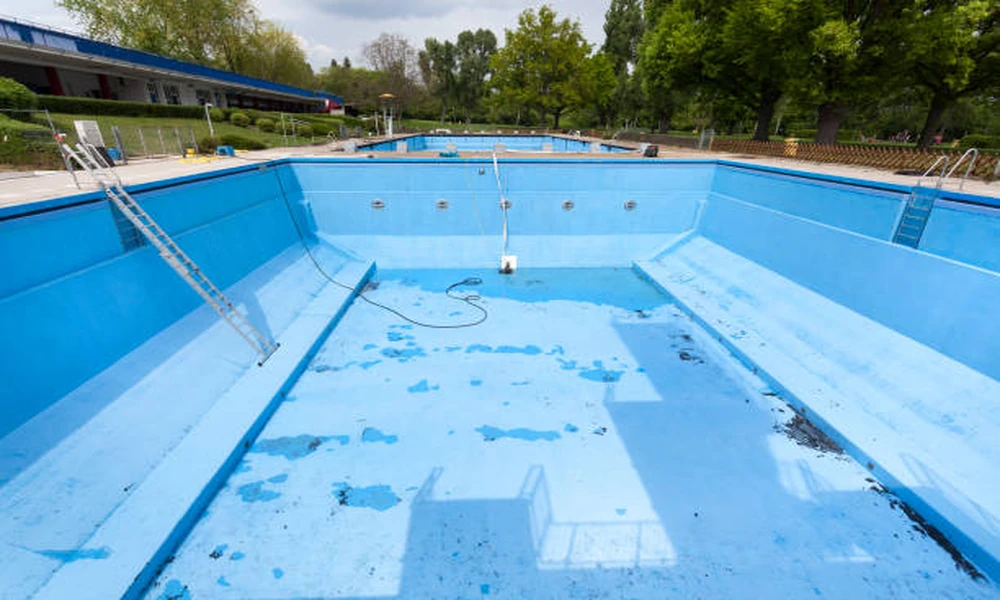
Lowering the water level is necessary to prevent water from freezing inside the skimmer and return lines, which could cause significant damage. Additionally, lowering the water helps protect the pool’s equipment.
How to Lower the Water Level
To lower the water level:
- Use a submersible pump or siphon hose to drain the water.
- The ideal water level should be a few inches below the skimmer and return jets to prevent freezing water from damaging the equipment.
Protecting Pool Equipment
Draining and Disconnecting Equipment
Draining the water from your pool equipment is crucial to avoid freezing. This includes:
- Pool pump: Drain all the water from the pump and filter to prevent damage.
- Heater: If you have a heater, make sure to drain it or follow the manufacturer’s instructions for winterizing.
- Chlorinator: Disconnect and clean the chlorinator if you use one, and remove any leftover chlorine tablets.
Blowing Out the Pool Lines
Using an air compressor or a blower, blow out the pool lines to clear any remaining water in the pipes. This step is crucial because any remaining water in the lines could freeze and crack the plumbing.

Storing Pool Equipment
Store all your pool equipment in a dry, safe location:
- Remove ladders, diving boards, and skimmers: These should be stored in a shed or garage to prevent winter damage.
- Cover your pump and filter: If they remain outside, use a waterproof cover to protect them from snow and ice.
Applying a Pool Cover
Choosing the Right Pool Cover
The type of pool cover you choose will depend on the type of pool you have and your climate. Common types of pool covers include:
- Safety covers: Provide extra protection against debris and are secure enough to prevent children or animals from falling in.
- Mesh covers: Allow water to drain through but keep debris out.
- Solid covers: Prevent both water and debris from entering the pool.
Proper Cover Installation
Once you’ve selected the right cover, ensure it fits tightly around the pool. This prevents debris from accumulating on top and keeps the pool safe from dirt, leaves, and snow. Make sure the cover is installed securely to avoid shifting during winter storms.
Cover Maintenance
Even though the pool is covered, it’s essential to check the cover periodically. Remove any snow or debris that may accumulate on top, as this can strain the cover and cause damage.
Winterizing Pool Chemicals
Balancing Pool Water Chemistry
Before closing the pool, balance the water chemistry to prevent issues during the off-season. Key elements to check include:
- pH levels: Ensure the pH is between 7.4 and 7.6.
- Alkalinity: The ideal range is 80–120 ppm.
- Calcium hardness: The target range is 200–400 ppm.
Using Winterizing Pool Chemicals
Winterizing chemicals help protect the pool from algae and bacteria growth during the off-season. Consider using:
- Algaecides: Prevent algae growth while the pool is closed.
- Chlorine stabilizers: Help maintain chlorine levels and keep the pool water clean.
- Winterizing kits: These kits often contain a combination of algaecide, shock, and other chemicals tailored for pool winterization.
Additional Tips for Winterizing Pools
Dealing with Pool Heaters
If you have a pool heater, follow the manufacturer’s instructions for properly winterizing it. Some heaters may need to be drained or cleaned before storage, while others can remain in place with protective covers.
Inspecting Pool Areas
Before closing, inspect the pool area for any cracks or damage. Check the decking, fencing, and any nearby structures to ensure they are in good condition. Properly maintaining the pool’s surroundings helps extend the lifespan of your entire pool setup.
Monitoring During Winter
Check your pool and cover periodically during the winter to ensure everything is intact. Remove any debris that may have accumulated and ensure the cover remains secure.
Signs That You Missed Winterization
Warning Signs of Improper Winterization
If you skipped any steps during the winterization process, you may notice the following issues:
- Frozen pipes or cracked equipment: Caused by water freezing in the lines.
- Algae growth: If your pool wasn’t properly shocked or treated with algaecide.
- Debris buildup: If your cover wasn’t properly installed or checked.
If you notice any of these signs, it’s important to address them quickly to avoid more severe damage.
Conclusion
Winterizing your pool is an essential part of pool ownership that ensures your pool stays in top shape throughout the off-season. By following these professional winterization tips, you can protect your pool from freezing temperatures, extend the lifespan of your equipment, and avoid costly repairs. Whether you’re a seasoned pool owner or a first-timer, taking the time to winterize your pool properly will pay off when spring comes and you’re ready to dive back in.


