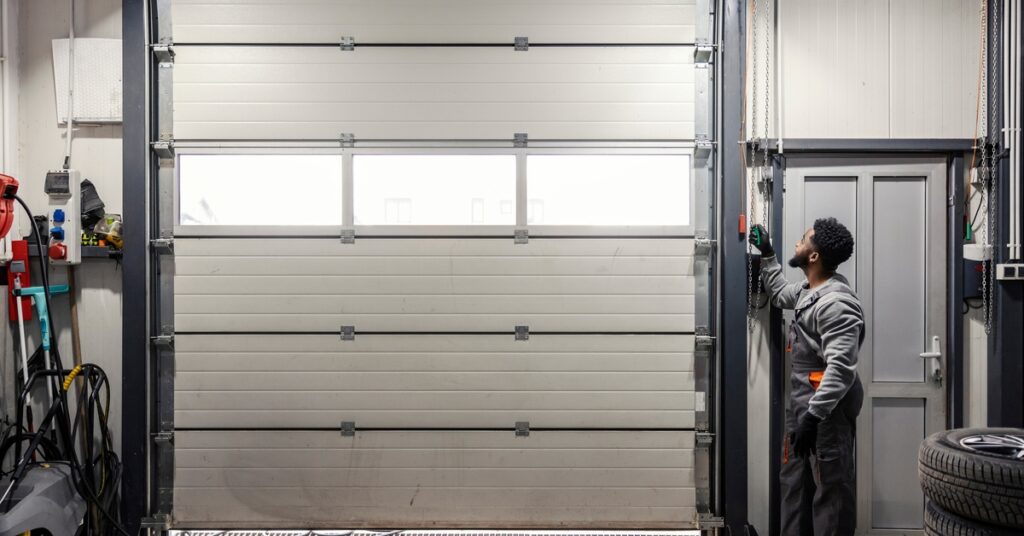
Warehouse doors are the unsung guardians of industrial operations, opening and closing countless times every day, often without a second thought. Yet, when these workhorses falter, the entire facility feels the strain, everything from shipments to safety can hang in the balance. The difference between smooth operations and costly delays often comes down to one factor: the quality of warehouse door maintenance.
The Importance of Premium Warehouse Door Maintenance
Neglect a warehouse door and the consequences will surface quickly. Proper attention to these heavy-duty entrances is more than a box to check; it’s a strategic investment that touches every corner of an industrial facility.
Impact on Operational Efficiency
A warehouse is a precisely tuned machine where timing is everything. If a loading bay door jams or an overhead door fails to seal, delivery schedules unravel, productivity drops, and sometimes, entire workflows are thrown off course. Well-maintained doors glide open and shut without resistance, keeping goods (and people) moving at pace.
Safety and Security Considerations
Industrial doors do more than separate inside from out. They are crucial barriers against theft, unauthorized access, and accidents. When door mechanisms are worn or malfunctioning, risks escalate: a misaligned sensor can leave a door half-open, while a failing spring might send a panel crashing down. Regular, expert maintenance ensures not only smooth operation but also that safety systems are primed and reliable.
Cost Implications of Neglect
The numbers tell the story: a single emergency repair often costs several times more than routine upkeep. Downtime means lost productivity and, in some cases, lost business. Preventive care not only extends the life of the doors but also guards against expensive breakdowns, insurance claims, and regulatory penalties.
Common Types of Industrial Warehouse Doors
The sheer variety of commercial doors reflects the complexity of industrial needs. Each type has its own maintenance quirks and operational advantages.
Rolling Steel Doors vs. High-Speed Doors
Rolling steel doors offer robust protection for high-security areas, standing up to frequent use and physical impact. High-speed doors, on the other hand, are all about efficiency, zipping open and closed to minimize temperature loss and boost throughput. While rolling doors shine in durability, high-speed models reduce wait times and, by minimizing air exchange, can cut energy costs.
Overhead Doors and Their Mechanisms
Overhead doors are the classic choice for many warehouses, with panels that rise vertically and tuck in along ceiling tracks. Their mechanisms, springs, rollers, and electric openers, require regular attention to avoid noisy operation, jerky movements, or sudden failures.
Specialized Doors: Impact, Hangar, and Strip Curtain Doors
Some industrial settings call for niche solutions. Impact doors swing both ways and can withstand frequent bumps from forklifts. Hangar doors accommodate massive aircraft or oversized machinery, demanding ultra-reliable motors and safety systems. Strip curtain doors offer easy passage while limiting airflow, useful in temperature-controlled areas or cleanrooms.
Maintenance Approaches: Preventive vs. Reactive
How should facilities handle warehouse door upkeep? The answer lies in balancing proactive routines with responsive repairs.
Preventive Maintenance: Scheduled Inspections and Servicing
Preventive maintenance means catching problems before they become crises. Scheduled inspections, lubrication, and adjustments keep doors running smoothly. Technicians can spot worn components, misaligned tracks, or sensor issues long before a breakdown halts operations.
Reactive Maintenance: Repairing After Failure
Reactive maintenance is the fire-fighting approach, waiting for something to break and then rushing to fix it. While sometimes unavoidable, this strategy often leads to higher repair costs, longer downtime, and greater disruption.
Comparative Benefits and Drawbacks
Preventive care wins on cost, safety, and reliability. However, it requires consistent scheduling and a willingness to invest upfront. Reactive maintenance may seem cheaper at first but tends to rack up expenses over time due to emergency calls and lost productivity.
Key Components Requiring Regular Attention
The devil is in the details. Even the sturdiest warehouse door relies on a handful of critical parts.
Door Springs and Rollers
These components absorb immense forces with every opening and closing cycle. Springs lose tension, and rollers can seize or become misaligned. Failure here causes doors to drop or jam, making regular inspection essential.
Electric Operators and Openers
Modern doors are powered by electric openers that coordinate with safety sensors and remote controls. Frayed wiring, worn gears, or software glitches can compromise both performance and security.
Dock Seals, Shelters, and Safety Equipment
The perimeter is just as important. Dock seals keep out weather and pests, while shelters protect workers during loading and unloading. Mechanical safety features, such as photo eyes and edge sensors, require testing to remain compliant and effective.
Professional Repair Services vs. In-House Maintenance
When the door won’t budge, who should you call? The answer depends on expertise, resources, and the stakes at hand.
Expertise and Equipment Differences
Professional service providers bring specialized tools and deep knowledge of all makes and models, from steel rollups to high-speed vinyl doors. Trained technicians can quickly diagnose obscure issues, source compatible parts, and ensure work meets all safety codes.
Cost and Downtime Considerations
In-house teams may handle daily lubrication or simple adjustments, but complex repairs can quickly overwhelm their capabilities. Prolonged troubleshooting can increase downtime, offsetting any savings from DIY approaches.
When to Call in Licensed Technicians
The rule of thumb: if the problem goes beyond basic cleaning or visible wear, it’s time to call in certified experts. For example, scheduling a Door Doctor warehouse door repair gives peace of mind that skilled professionals are on the job, especially for critical failures or compliance-driven inspections.
Innovative Technologies in Warehouse Door Maintenance
Warehouse door maintenance is evolving fast. Technology now offers predictive, automated, and energy-saving solutions that were unthinkable a decade ago.
Smart Sensors and Automation for Predictive Maintenance
Sensors embedded in door hardware can monitor cycles, temperature, and vibration, flagging issues before they escalate. These smart systems allow maintenance teams to act on real data, reducing guesswork and surprise breakdowns.
Energy Efficiency Enhancements
High-speed doors, insulated panels, and air curtains limit heat transfer and air leakage. Upgrading to efficient door systems is more than an environmental gesture, it can result in major cost savings on utilities.
Integration with Overall Facility Management Systems
Industrial doors can now sync with broader building management platforms. This integration streamlines scheduling, security, and energy use, making door maintenance part of a holistic operational strategy.
Troubleshooting Common Issues in Warehouse Doors
Even the best-kept doors encounter hiccups. The key is knowing when a quick fix will do and when to escalate.
Identifying Signs of Wear and Damage
Look for slow or uneven movement, unusual noises, and visible wear on springs or cables. Malfunctioning sensors or incomplete cycles are red flags that warrant immediate attention.
Quick Fixes vs. Professional Intervention
Simple issues like debris in the tracks or minor lubrication can often be handled in-house. Electrical failures, structural damage, or persistent misalignment demand professional diagnostics and repair.
Ensuring Minimal Disruption to Operations
To keep downtime minimal, establish clear reporting protocols, and have trusted service providers on speed dial. Many companies offer same-day or emergency repairs to get you back on track quickly.
Building a Long-Term Maintenance Strategy
Warehouse door maintenance is not a one-off task; it’s an ongoing process woven into the fabric of facility management.
Customizing Maintenance Plans by Door Type and Usage
Not every door sees the same action. High-traffic entryways, refrigerated zones, and specialty doors each need tailored maintenance plans based on cycle counts, environmental conditions, and manufacturer recommendations.
Training Staff and Establishing Protocols
Staff should be trained to perform basic inspections, report anomalies, and avoid hazardous DIY repairs. Clear protocols for escalation ensure issues don’t slip through the cracks.
Leveraging Service Providers for Emergency and Scheduled Support
Combining internal oversight with outsourced expertise yields the best results. Regular contracts with reputable service companies mean that, when emergencies happen or compliance audits loom, support is reliable and fast.
Premium warehouse door maintenance is equal parts art and science. By respecting the intricacies of each entrance, leveraging innovation, and knowing when to call in the professionals, industrial facilities can transform their doors from costly headaches into quiet champions of productivity and safety.