

Plaster Walls and Old Pipes Shape Every Lehigh Valley Remodel
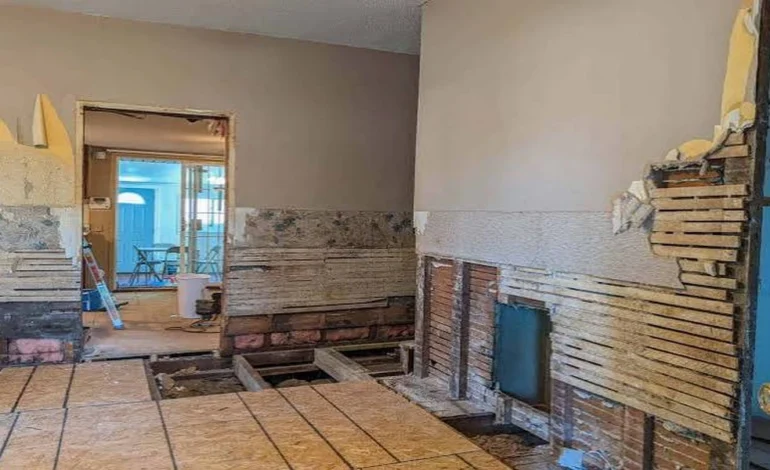

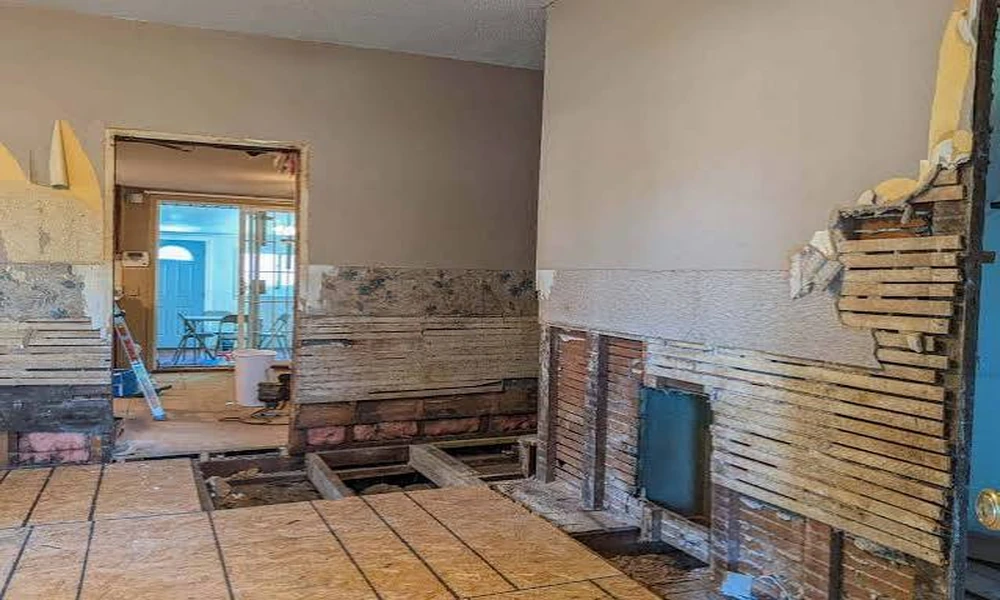
Swing a pry bar at a kitchen wall in a 1920s Bethlehem twin and you might find horsehair plaster, wavy wood lath, a cast iron drain stack and a few feet of cloth-wrapped wiring that nobody has touched in generations. Homes across the Lehigh Valley were built to last. They just rarely match the tidy drawings a remodel starts with.
Contractors who work inside these houses week after week learn to expect the unexpected before demolition day. Saucon Creek Remodeling handles kitchens, bathrooms, custom cabinetry and basement finishing for homeowners across the region, and like most experienced local teams, it starts with an in-home walk-through so the likely surprises show up on paper first instead of halfway through the job.
That walk-through matters because a house’s age predicts its problems better than almost anything else. A stone farmhouse in Coopersburg, a postwar ranch in Whitehall and a 1980s colonial in Macungie each hide different things. Here is how those differences tend to play out.
Reading a House by Its Decade
Before 1940
The oldest homes in Allentown, Easton and South Bethlehem were often built for steel and silk mill families. Their bones are usually strong, but the systems inside them have been patched many times.
Knob and tube wiring is common in this group. It was never designed for insulation packed around it or for the load of a modern kitchen with an induction range, dishwasher and microwave drawer. Plumbing is often a mix of galvanized steel supply lines, which narrow with rust over time, and cast iron drains that can crack from the inside. Walls are frequently plaster over lath, and floors that have settled for a century can sit an inch or more out of level across a single room.
None of this is a reason to avoid an older home. It simply means a cabinet run or a tiled shower floor needs extra prep before it can sit straight.
Postwar ranches and split levels
Homes from the 1950s and 1960s spread through suburbs like Whitehall, Hanover Township and Lower Macungie. These houses usually have drywall, simpler framing and fewer layers of old repairs.
The common surprises here are smaller but still real. Bathrooms may have mortar beds under the tile that are far thicker than modern setups. Floor tiles in the classic 9 inch square size, along with some old adhesives and pipe wrap, can contain asbestos and should be tested before anyone breaks them up. Galvanized supply lines are still possible in this era too.
Colonials from the 1970s and 1980s
Later homes tend to bring cleaner surprises. Copper and early plastic piping, standard framing and roomier layouts make kitchens easier to reconfigure. The watch item is wiring. Some homes built between the mid 1960s and early 1970s used aluminum branch circuits, which need special connectors when new outlets or fixtures are added.
Paint and Dust Deserve Their Own Plan
Any house built before 1978 may contain lead paint, and the older the house, the higher the odds. In many prewar Lehigh Valley homes, it sits under several newer coats on trim, window sashes and doors.
Paint in good condition is not a hazard on its own. The risk comes when a remodel cuts, sands or demolishes those surfaces and releases fine dust. Federal rules require contractors working on pre-1978 homes to follow lead-safe practices, including containment and careful cleanup. The EPA’s Protect Your Family From Lead in Your Home pamphlet explains what homeowners should expect from a certified renovation firm and how to keep children safe while work is underway.
Building a Contingency That Fits the House
Most remodelers suggest setting aside a reserve beyond the contract price. The right size depends on age and how much of the structure the project opens up. A cosmetic refresh in a newer home might need very little. A full gut of a 1910 kitchen can justify a much larger cushion.
A few items tend to drain that reserve most often in older Lehigh Valley homes:
- Replacing ungrounded or outdated wiring once walls are open
- Swapping corroded galvanized lines for new supply piping
- Leveling sagging floors or sistering joists under heavy tile
- Testing and handling suspect materials like old tile or pipe insulation
- Repairing plaster that cracks beyond the work area
Talking through these possibilities before signing makes it easier to decide which upgrades to bundle in now and which to leave for later.
Basements Carry Their Own History
Finished basements are one of the most popular upgrades in the region, and they bring their own quirks. Many older homes sit on fieldstone or block foundations that let moisture through, especially after heavy spring rain. Before framing a single wall, it pays to watch how the space behaves through a wet season, check that gutters and downspouts move water well away from the house and confirm a sump pump works if one exists.
Ceiling height is another limit. Old ductwork, drain lines and beams can leave a basement short on headroom, which shapes where soffits, lighting and any future bedroom can go. Bedrooms also need a code compliant way out, so egress windows often become part of the plan.
What Pennsylvania Law Puts in Your Contract
Pennsylvania does not issue a statewide general contractor license. Instead, the Home Improvement Consumer Protection Act requires contractors who do $5,000 or more of home improvement work a year to register with the state Attorney General’s office, and their registration number must appear on contracts and estimates.
The same law spells out what a valid home improvement contract needs, including a written agreement, a description of the work, the total price and the homeowner’s right to cancel within three business days. It also limits how much a contractor can collect upfront before work begins. The Attorney General’s home improvement consumer brochure covers these protections in plain language and explains how to check whether a contractor is registered.
Change orders deserve the same care. When an old drain line or a rotted joist turns up, a written change order with a clear price keeps the project honest for everyone involved.
Living With the Character You Keep
The quirks that complicate a remodel in an older home are often the same features that make it worth saving. Thick plaster walls hold sound and temperature better than thin drywall. Old growth framing lumber is denser than much of what is sold today. Deep window sills, high ceilings and solid wood doors are expensive to recreate from scratch.
A good remodel in the Lehigh Valley respects that history while bringing wiring, plumbing and layouts up to modern standards. When homeowners understand what their house is likely hiding, they can plan for it calmly, budget with confidence and end up with a kitchen, bath or basement that feels new without losing the character that drew them to the home in the first place.