

How The Hazmat Team Structures an Asbestos Abatement Project

For a property owner, an asbestos abatement project involves several decisions: what materials are included, where work will take place, and how the project relates to other planned building work. A useful discussion starts with the available information and a clearly defined scope.
The Hazmat Team describes an asbestos service process that moves from assessment and planning through containment, removal, disposal, and final cleaning for clearance preparation. Its stated service scope includes residential, commercial, industrial, and multi-unit properties in Greater Orange County and Southern California.
Begin With Reports and Project Questions
The company identifies review of existing asbestos reports or coordination of testing as the starting point for defining the work. This gives property owners a concrete subject for the first conversation: what information is already available, and what still needs clarification?
An owner preparing for that discussion can organize reports, describe the planned renovation, and identify the rooms or building components involved. These are practical ways to explain a project; they do not establish whether a particular material contains asbestos.
Clear questions also make a proposed scope easier to compare with the owner’s expectations. Which areas are included? What work is outside the proposal? Who will coordinate with other contractors? Recording those answers can help keep later conversations focused on the same project.
Identify the Materials Within the Scope
The Hazmat Team lists popcorn ceilings, textured coatings, drywall, joint compound, vinyl flooring, mastic, roofing materials, and insulation among the components its asbestos service addresses.
For an owner, that list provides context for discussing the building. A ceiling project and a flooring project may involve different rooms, access needs, and renovation plans. The relevant question is which identified materials belong in the specific proposal.
A written scope can serve as the reference point when an owner discusses scheduling, access, or changes. It also gives property managers and contractors a shared description of the work under consideration.
Discuss the Sequence Beyond Removal
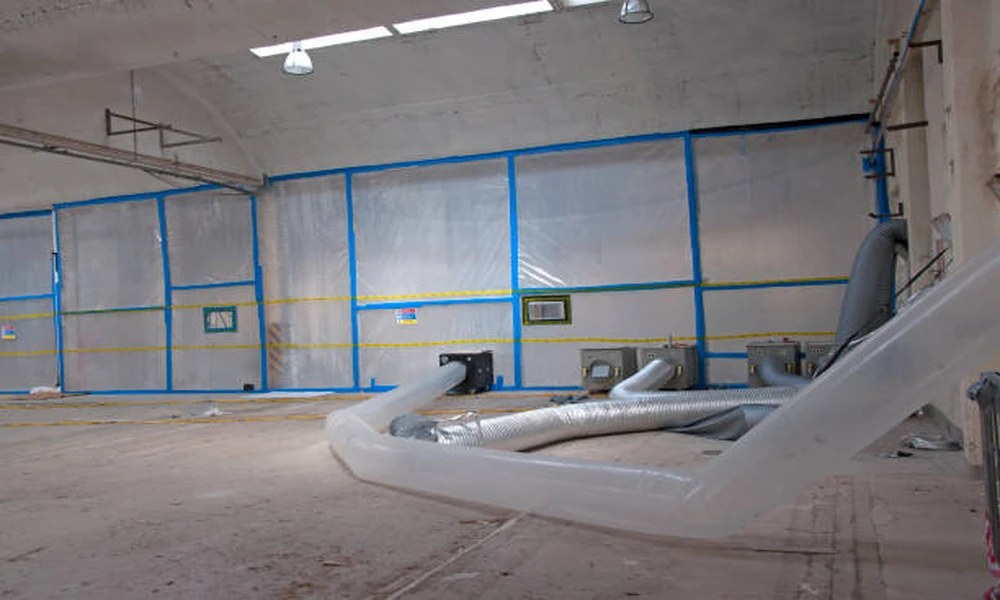
The company’s stated process includes containment and air control, controlled removal, and packaging and disposal. It then describes final cleaning and clearance preparation.
That sequence gives owners several topics to discuss before scheduling: the planned work area, arrangements for access, responsibilities during the project, and the information provided at completion.
An owner coordinating several contractors can also ask how the abatement schedule fits with later work. A date alone may leave important questions unanswered; the conversation can address what needs to happen before another stage begins.
Clarify the Completion Stage
The Hazmat Team identifies clearance preparation as the final stage in its published process.
Owners can ask what that stage includes, who arranges any subsequent testing, what documentation will be supplied, and how next steps will be communicated. Those questions keep expectations specific to the property and agreed scope.
The company’s published process offers a framework for that discussion. By reviewing available information, identifying the materials involved, and clarifying each project stage, property owners can approach an asbestos service consultation with concrete questions and a clearer description of their needs.