
Emergency Biohazard Response Services for Residential Properties
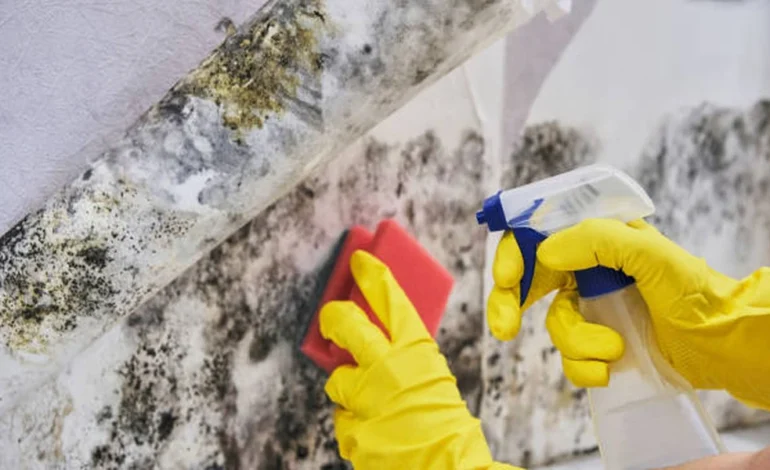

Some messes in a home are far beyond normal cleaning. A sewage backup, a trauma scene or animal waste can leave behind blood, fluids or harmful germs. In these moments, a fast and professional biohazard response protects your family and your property.
What Counts as a Biohazard?
A biohazard is any living material that can harm your health. In homes, this can mean blood, body fluids, sewage or rodent droppings. These can carry germs you cannot see.
Why Speed Matters
Fluids can soak into carpet, drywall and floors. Over time, the smell grows and the mess spreads. A quick response limits damage and keeps people safe.
What a Professional Response Includes
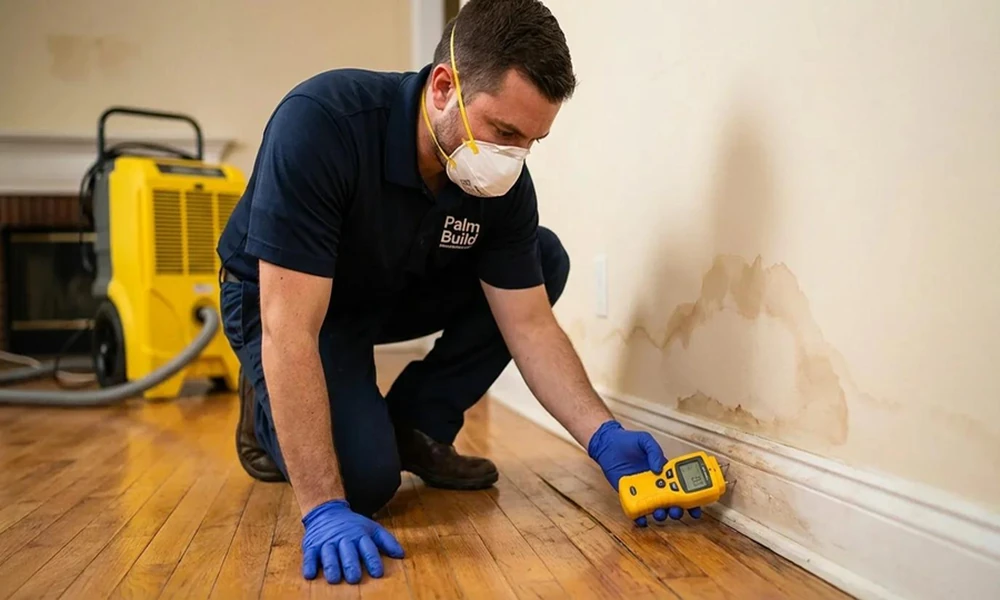
- Assessing the scene and identifying hazards.
- Sealing off the area to prevent spread.
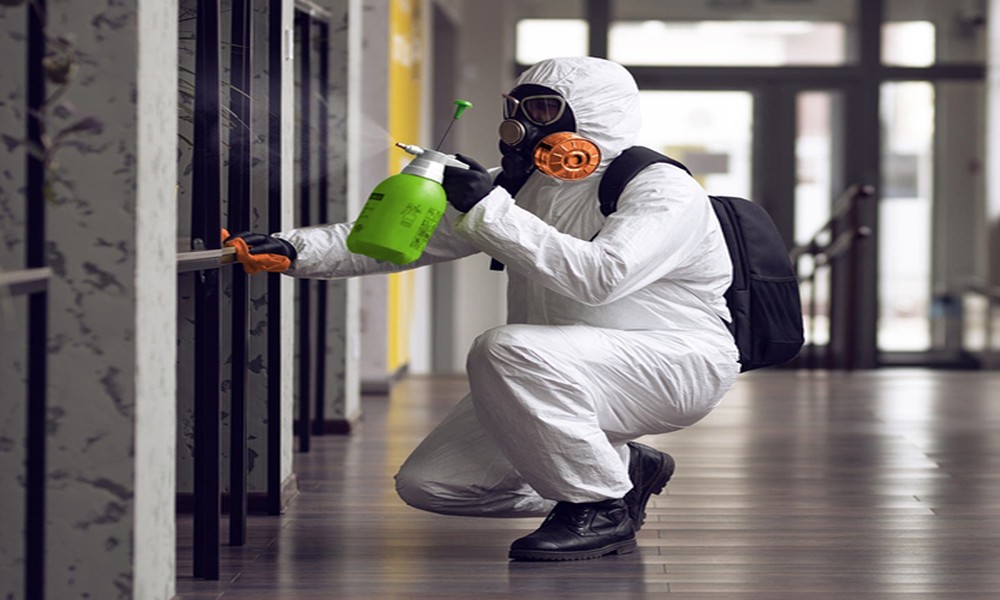
- Wearing protective suits, gloves and respirators.
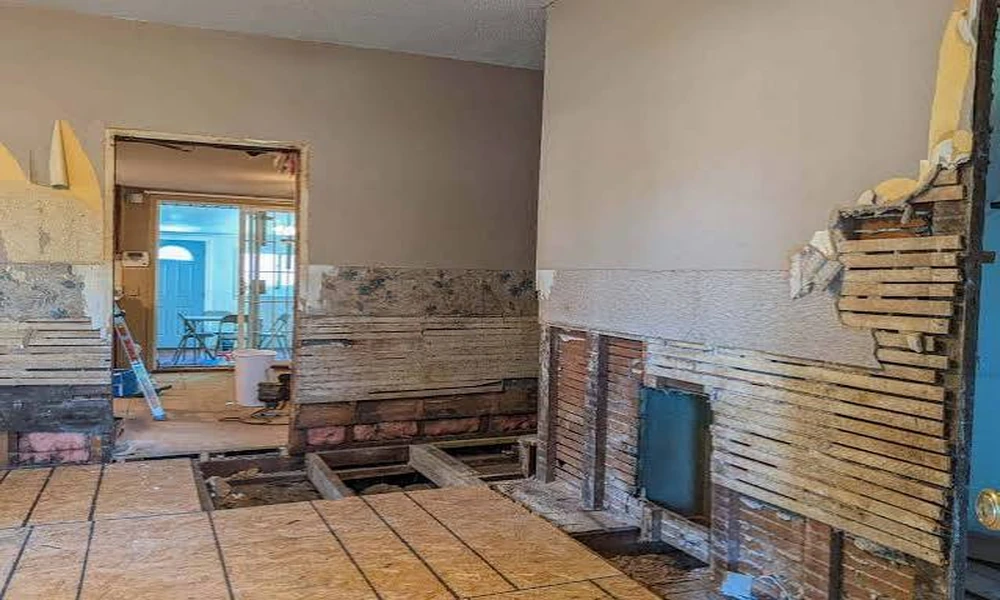
- Removing contaminated materials.
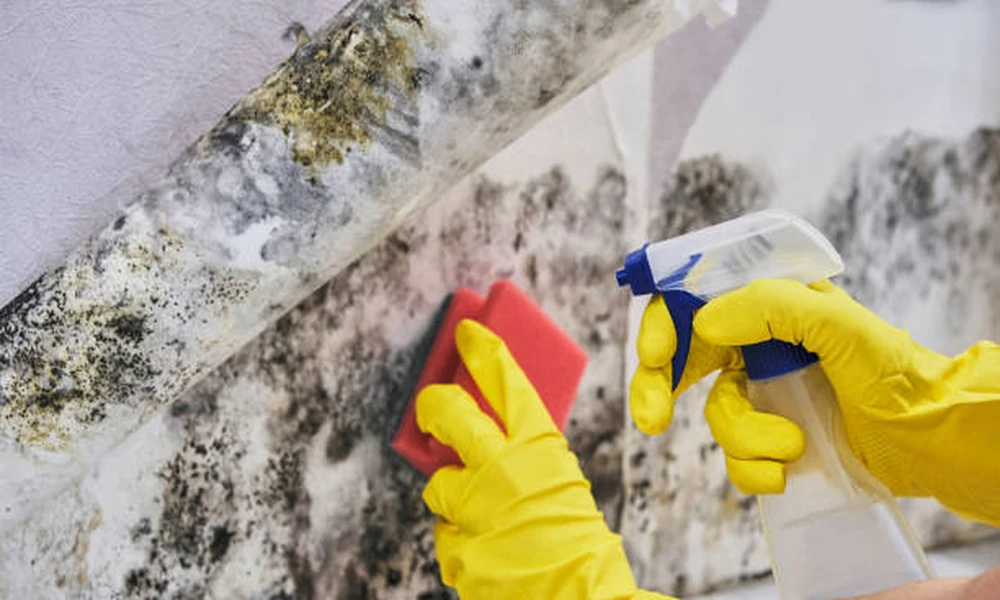
- Cleaning and disinfecting surfaces.
- Packaging waste for proper disposal
.
Why DIY Cleanup Is Risky
Home cleaners may not be enough. Without the right gear, you could be exposed to germs. Throwing waste out the wrong way can also break local rules.
After the Cleanup
When the job is done, the area should look clean and smell fresh. Ask the team what was removed and what to replace. Keep any paperwork for your records.
Compassion and Discretion
Many of these events happen during hard times. A good team works quietly and with respect, so families can focus on what matters.
Getting Help
If you face a biohazard in your home, keep people and pets away from the area. Do not try to clean it on your own. Call a trained team as soon as you can.
The Hazmat Team offers biohazard remediation for homes and businesses in Southern California. The crew uses containment and careful disposal on every job.
*This article is general information only and is not medical or regulatory advice. Follow local health and safety rules.*