

Home Remodeling: A Minimalist Guide for California Homeowners
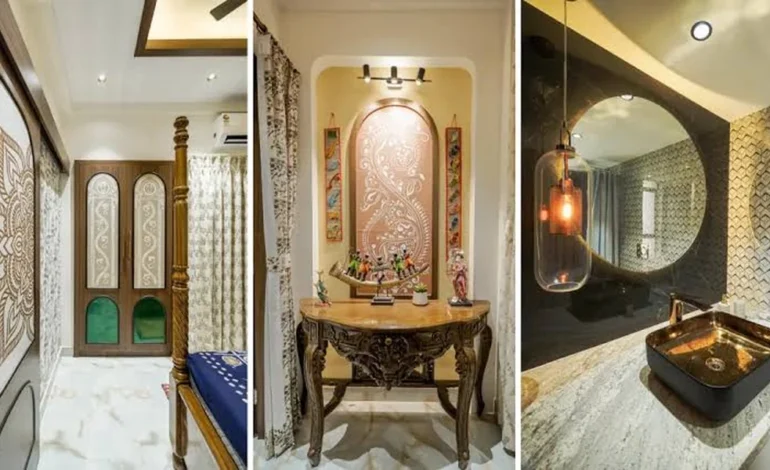

California homeowners choose home remodeling for one reason: to make everyday life better. A successful remodel isn’t about adding more. It’s about improving what already exists.
Better flow. Better storage. Better comfort.
Every decision should solve a problem.
Start With a Plan
Before choosing colors or finishes, define your priorities.
Ask yourself:
- What no longer works?
- Which rooms feel outdated?
- What causes daily frustration?
- What improvements will still matter in ten years?
Write every goal down.
Then rank each one by importance.
A clear plan reduces unnecessary spending and keeps the project focused from beginning to end.
Budget realistically.
Include construction, materials, permits, design fees, and a contingency fund for unexpected repairs. Older California homes often reveal hidden electrical, plumbing, or structural issues once demolition begins.
Avoid designing around trends.
Design around your lifestyle.
Invest Where It Matters
Not every upgrade delivers the same value.
Spend more on the elements you touch every day.
Examples include:
- Cabinet quality
- Flooring durability
- Lighting
- Windows
- Insulation
- Storage solutions
Decor can always change later.
Construction is much harder to replace.
Working with an experienced home renovation contractor also helps prevent expensive mistakes. An organized contractor coordinates permits, inspections, scheduling, and subcontractors while identifying potential issues before they become costly problems.
Ask every contractor the same questions.
- What is included?
- What is excluded?
- How are change orders handled?
- What warranties are provided?
- What is the expected timeline?
Compare answers-not just prices.
The lowest bid is rarely the lowest final cost.
Design for Daily Living
Beautiful spaces should also be practical.
Think about movement before materials.
Can two people cook comfortably?
Is there enough storage?
Does natural light reach the areas where you spend the most time?
Small improvements often create the biggest impact.
Examples include:
- Wider walkways
- Better task lighting
- More electrical outlets
- Pull-out pantry shelves
- Soft-close drawers
- Built-in storage
These upgrades improve everyday living without dramatically increasing the budget.
Material selection should prioritize longevity.
Look for products that offer:
- Easy maintenance
- Moisture resistance
- Scratch resistance
- Repairability
- Long manufacturer warranties
The goal is fewer future repairs.
Not more maintenance.
Entertainment spaces also deserve thoughtful planning.
Homeowners researching how to remodel home theater often focus first on screens and speakers. In reality, room layout, sound control, ventilation, lighting, and seating determine whether the space feels comfortable for years to come.
Good design is usually invisible.
It simply works.
Build for the Future
Remodeling is a long-term investment.
Choose flexibility whenever possible.
Families grow.
Needs change.
Technology evolves.
A flexible layout adapts without requiring another major renovation.
Energy efficiency should also remain a priority.
Better insulation, efficient windows, LED lighting, and modern HVAC systems can improve comfort while reducing utility costs throughout the year.
Avoid filling every room.
Leave open space.
A home that feels calm is often more enjoyable than one filled with unnecessary features.
Quality craftsmanship matters more than luxury finishes.
Precise installation, durable materials, and thoughtful planning continue delivering value long after trends have changed.
The best home remodeling projects don’t try to impress visitors.
They make everyday life easier for the people who live there.